Xona's commercial GPS alternative readies six satellites for October launch
From the CosmechBytes archive. This brief ran before the desk went UAP-only in October 2026, when coverage was broader. It stays up for the record; current briefs live in Brief Bytes.
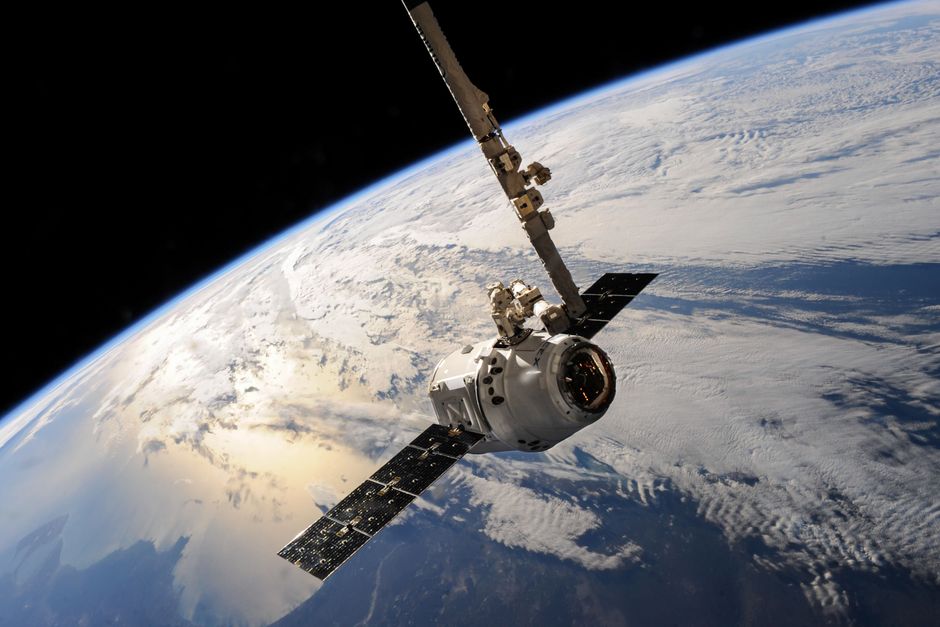
Image: SpaceX via Pexels.
The briefing
Xona Space Systems will launch its first six production satellites later this month, according to TechCrunch, kicking off beta testing of a commercial navigation service meant to complement GPS with centimeter level precision. The 2019 Stanford spinout aims to build a 258 satellite Pulsar constellation delivering signals up to 100 times stronger than GPS, hardened against jamming and spoofing.
Why it matters
GPS is free but fragile, with meter level accuracy and well documented vulnerability to jamming and spoofing, a growing worry for militaries and autonomous systems alike. Xona is the first company with FCC authorization to broadcast a private navigation signal in GPS adjacent L band spectrum, and its pitch is hardware economics rather than selling a service: billions of devices ship every year, and the signals can be picked up by existing receivers with a software update. If the October launch and beta go well, 2028 coverage across the US, Europe, Japan and South Korea becomes plausible.
Key details
- Six satellites launch later this month, per TechCrunch's reporting; four are built on an Aerospace Labs platform and two were built entirely in house in Burlingame, California, seeding the 258 satellite Pulsar constellation.
- Beta testing with real customers begins once the satellites pass over mid latitudes about eight times per day, according to TechCrunch's interview with CEO Brian Manning.
- The signal is designed to be compatible with more than six billion existing GNSS devices through a software or firmware update, and carries a dynamic cryptographic watermark to defeat spoofing.
- Xona's 2025 prototype, Pulsar 0, logged more than 350 transmission passes tracked by commercial receivers across four continents.
- The company has raised just over $300 million since its 2019 founding, including $20 million from the US Space Force, and Manning describes the business model as hardware scale: billions of devices ship every year that need precise timing and navigation.
Was this helpful?
Reporting from TechCrunch, Payload Space, Interesting Engineering. Full stories at the sources below.
Read at TechCrunch Read at Payload Space Read at Interesting EngineeringGet Briefs by email
One tight email with the week's most important Brief Bytes on UAP and aliens. Read it in five minutes, know what mattered.