Webb Data Maps the True Lopsided Shape of a Distant Giant Planet
From the CosmechBytes archive. This brief ran before the desk went UAP-only in October 2026, when coverage was broader. It stays up for the record; current briefs live in Brief Bytes.
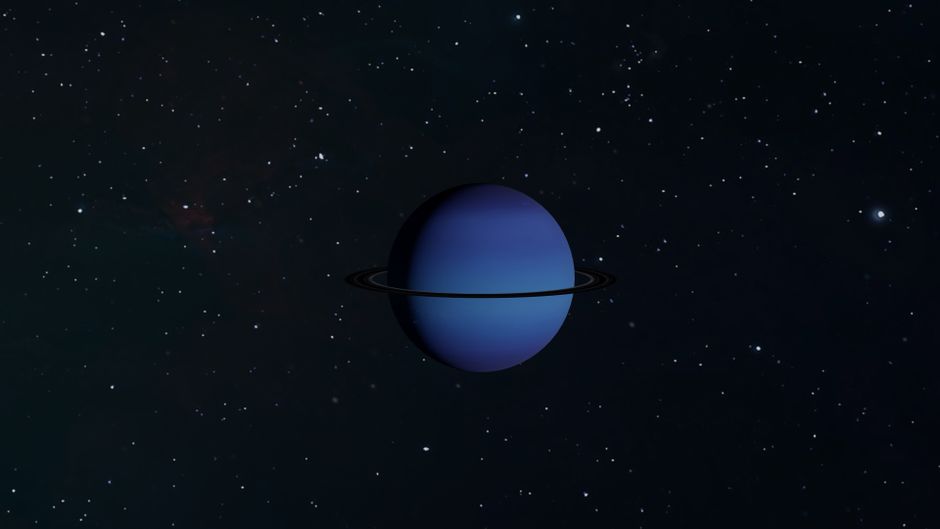
Image: Pexels via Pexels.
The briefing
Astronomers have resolved the uneven outline of an exoplanet atmosphere for the first time, using James Webb Space Telescope observations and a new method called transmission strings. The target is WASP-17b, a hot Jupiter more than 1,000 light years away, and its atmosphere turns out to be slightly egg shaped, with one side stretched wider than the other by heat and wind.
Why it matters
For three decades every exoplanet in the models was a perfect circle because the data could not support anything finer. Measuring how the edge of an atmosphere actually varies from place to place turns a flat average into a three dimensional picture of circulation, which is the step between detecting an atmosphere and understanding weather on another world.
Key details
- The study was published October 14 in Nature Astronomy and was led by Cornell researcher Lili Alderson with colleagues including Hannah Wakeford at the University of Bristol, where the transmission strings method was developed, according to Cornell Chronicle and Phys.org.
- Instead of averaging starlight across the whole edge of the planet during a transit, the method follows the crossing moment by moment and recovers a separate distance from center to edge at each angle around the limb.
- On the evening side of the equator, jets carry hot gas from the permanent day side toward the permanent night side and inflate the atmosphere. The cooler morning side, where gas returns after crossing the night side, sits tighter.
- The measured temperature contrast between morning and evening sides matched theoretical predictions closely, and molecules including water and carbon dioxide appeared fairly consistent around the limb, Cornell Chronicle reported.
- Alderson called the result proof that planets are three dimensional objects behaving as the models predict, in a short statement quoted by both outlets.
- The team says the same approach can now be applied to many more of the over 6,000 confirmed exoplanets and can begin separating conditions by latitude, a first step toward mapping weather scale patterns in alien climates.
Was this helpful?
Reporting from Cornell Chronicle, Phys.org. Full stories at the sources below.
Read at Cornell Chronicle Read at Phys.orgGet Briefs by email
One tight email with the week's most important Brief Bytes on UAP and aliens. Read it in five minutes, know what mattered.