SpaceX Cargo Dragon Targets a Dawn Launch With Brain Models, Superbug Research and the Final Solar Arrays for the Space Station
From the CosmechBytes archive. This brief ran before the desk went UAP-only in October 2026, when coverage was broader. It stays up for the record; current briefs live in Brief Bytes.
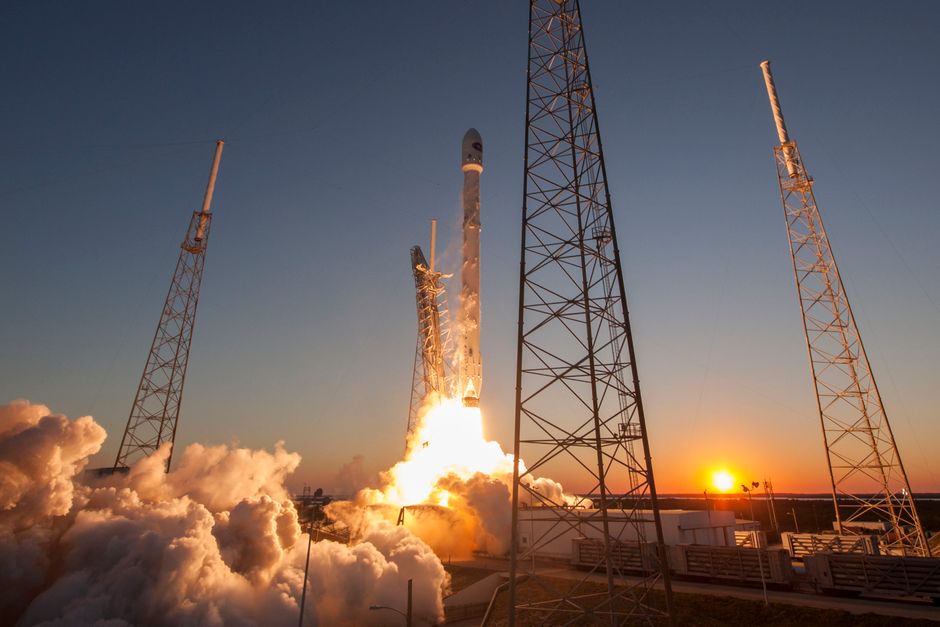
Image: Pexels via Pexels.
The briefing
NASA and SpaceX are targeting 6:33 a.m. Eastern on Tuesday for the launch of the CRS 35 cargo mission from Cape Canaveral Space Force Station, carrying more than 6,300 pounds of supplies and research to the International Space Station. The Dragon manifest leans heavily toward health science, from lab grown brain models spending five weeks in orbit to a fourth and final station stay for an investigation tracking antibiotic resistant bacteria. Riding in the trunk is the final pair of roll out solar arrays, the hardware that completes the power upgrade the station will rely on for the rest of its working life.
Why it matters
Station science is quietly shifting from curiosity driven experiments toward the practical medicine of long duration flight, the kind crews will need on the way to the Moon and Mars. Work on brain tissue, infection detection and drug resistant organisms in orbit feeds directly into that problem set, and some of it pays back on Earth in crop breeding and superbug research. The solar arrays matter just as much, because every watt they add extends what the aging station can still do before its planned retirement.
Key details
- Liftoff is targeted for 6:33 a.m. Eastern on October 13 from Space Launch Complex 40, with a backup opportunity early Wednesday, according to FOX 35 Orlando.
- Dragon is scheduled to dock autonomously at the Harmony module around 11 a.m. Eastern on Thursday, October 15, and stay for about a month before splashing down off California in mid November.
- NASA says four Biological and Physical Sciences investigations anchor the health payload, covering brain tissue models, a crop disease study, a faster way to assess astronaut health and antibiotic resistant bacteria aboard the station.
- The brain model experiment compares tissue that flew with identical tissue kept on Earth to see how a short spaceflight changes the human brain at the cellular level, according to NASA.
- FOX 35 reports the cargo also includes hardware for manufacturing artificial retinas in microgravity, 3D heart tissue models and brain organoids aimed at Alzheimer and Parkinson research.
- The returning Dragon is expected to bring back a failed Canadarm2 robotic arm joint for analysis and refurbishment, according to FOX 35.
Was this helpful?
Reporting from NASA Science, FOX 35 Orlando. Full stories at the sources below.
Read at NASA Science Read at FOX 35 OrlandoGet Briefs by email
One tight email with the week's most important Brief Bytes on UAP and aliens. Read it in five minutes, know what mattered.