Sikorsky Says the Black Hawk Modular Nose Could Reach Operators Within About a Year
From the CosmechBytes archive. This brief ran before the desk went UAP-only in October 2026, when coverage was broader. It stays up for the record; current briefs live in Brief Bytes.
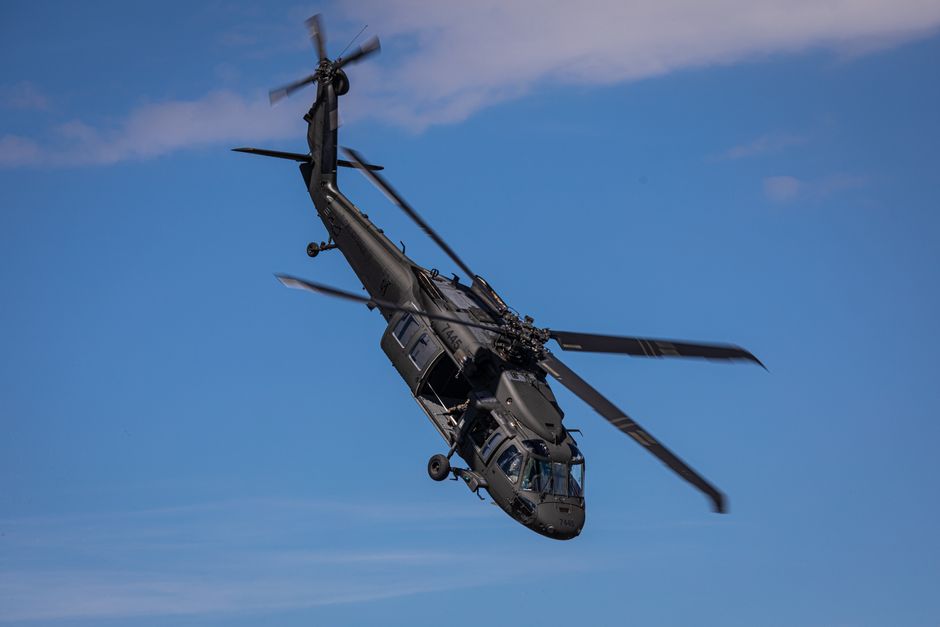
Image: Pexels via Pexels.
The briefing
The fastest moving piece of Sikorsky plan to keep the H-60 flying into the 2070s is at the very front of the aircraft. At the Association of the United States Army convention, Black Hawk business development director Jason Wrigley told TWZ that a new modular nose, designed to be swapped so a helicopter can be reconfigured between missions, could be available for retrofit or on new production aircraft within about a year. The nose offers roughly double the internal volume of the current design and is built around open architecture, so sensors, communications gear and other mission systems can be plugged in as the mission requires, from gunship to search and rescue to airborne drone control. Sikorsky has already run a design cycle, 3D printed full noses, and fed feedback from engineers, operators and maintainers into the next iteration. The nose is one of four pillars in the Black Hawk Next effort, alongside the GE Aerospace T901 engine, airframe enhancements with expanded internal fuel, a digital backbone and MATRIX autonomy.
Why it matters
Front end space is the scarcest real estate on a helicopter, and specialized H-60 variants have long carried crowded one off noses packed with radar and sensors. A standardized swappable nose would let even a small fleet pool mission kits across aircraft instead of dedicating airframes to single roles, and it gives autonomy packages a home for the lidar and cameras they need. Defense Daily reports Sikorsky is targeting at least 1000 pounds more payload, at least 100 nautical miles more range and 45 minutes more time on station across the Black Hawk Next package, and that the T901 engine has logged more than 70 flight test hours. Wrigley described the Army approach as targeted modernization by unit and mission rather than upgrading all 1000 to 1500 Black Hawks in inventory, which makes a cheap and fast retrofit like the nose the most plausible first step.
Key details
- Wrigley told TWZ the nose will be available for retrofit or coming off the production line within about a year, and that Sikorsky has completed a design cycle and 3D printed test noses.
- The new nose structure offers roughly double the physical space of the standard nose on current generation H-60s, according to Sikorsky.
- Black Hawk Next has four focus areas, the T901 engine, airframe enhancements including a modular nose and expanded internal fuel tanks, a digital backbone, and MATRIX autonomy, according to Defense Daily.
- Sikorsky wants the package to add at least 1000 pounds of payload, at least 100 nautical miles of range and 45 minutes of time on station.
- The T901 has logged more than 70 flight test hours, and GE Aerospace expects engine qualification by the end of next year, Defense Daily reports.
Was this helpful?
Reporting from TWZ, Defense Daily. Full stories at the sources below.
Read at TWZ Read at Defense DailyGet Briefs by email
One tight email with the week's most important Brief Bytes on UAP and aliens. Read it in five minutes, know what mattered.