Poland Drops Visual Identification for Air Defense Engagements as Drone Pressure Mounts Nightly
From the CosmechBytes archive. This brief ran before the desk went UAP-only in October 2026, when coverage was broader. It stays up for the record; current briefs live in Brief Bytes.
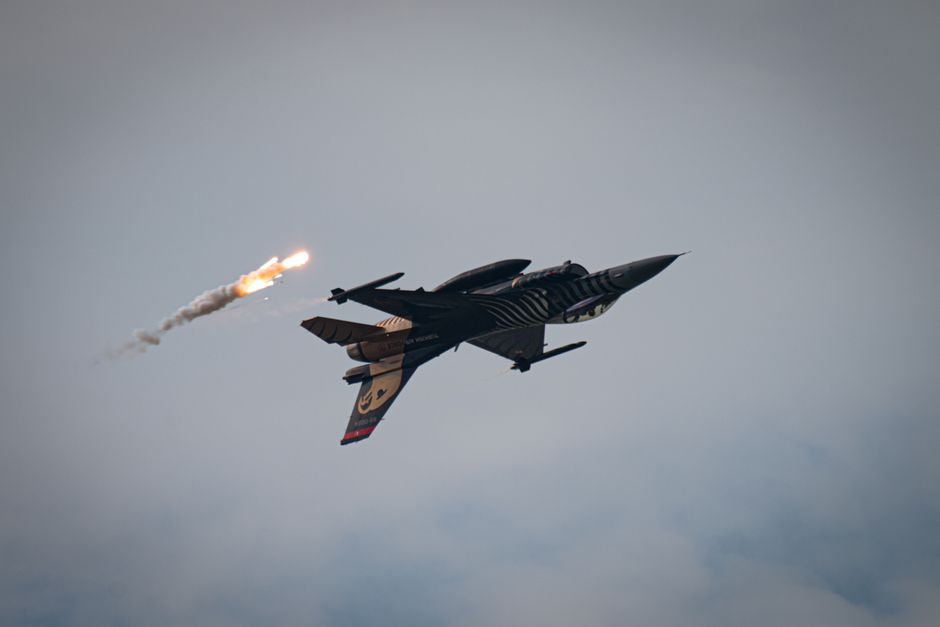
Image: Pexels via Pexels.
The briefing
Poland air force is flying at its highest readiness every night and has rewritten its engagement rules to keep up. Maj. Gen. Ireneusz Nowak, the operational commander of the Polish Armed Forces, told a Warsaw Security Forum panel that 80 percent of his service attention is now focused on air defense, while the integrated ground and air system meant to relieve that pressure remains three to four years away and the modernization program is only about 30 percent advanced. Since October 1, Polish pilots have stopped using Visual Identification, under which a pilot had to see a target type, markings or nationality before engaging. Under the new Positive Identification procedures, crews can engage using radar data, other sensor systems and intelligence, including information passed on by Ukraine. In a separate Defence24 interview, Nowak described a new prohibited zone planned for eastern Polish airspace so ground based air defense operators can be certain that an object crossing the border is an intruder and engage it without visual contact once the procedural conditions are met.
Why it matters
Nowak was blunt about the economics of the current setup. Using fighter jets against cheap drones is a bad cost ratio, he acknowledged, but for now there is no other option, and the near term fixes keep slipping. A plan to integrate Advanced Precision Kill Weapon System rockets on F-16s is stalled on a fuse certification issue, and the FA-50GF light combat aircraft that has entered combat duty will need perhaps two years before it is fully ready as a drone hunter, a timeline Nowak called frustrating. The Defence24 interview adds that jet powered Russian drones such as the Geran 4 and Geran 5 are a growing share of nightly strikes and that the ground based component is the most exposed part of the system while systems like Narew remain unavailable. Poland is the largest NATO member on the alliance eastern flank, so the strain its air force describes is a live test of how the alliance handles mass drone pressure on a long border.
Key details
- Nowak said 80 percent of Polish Air Force attention is focused on air defense and that crews have been operating at the highest readiness on a nightly basis, straining personnel and equipment.
- The shift from Visual Identification to Positive Identification took effect October 1 and lets pilots engage based on radar data, other systems and intelligence, including information from Ukraine, according to Nowak.
- Poland integrated air defense modernization is about 30 percent advanced, with the ground and air components still three to four years away, Nowak said at the Warsaw Security Forum.
- Nowak told Defence24 that a special prohibited area designated P will be established in eastern Polish airspace to give ground based air defense operators certainty about targets crossing the border.
- The FA-50GF is expected to take on Geran 4 and Geran 5 jet powered drones, but Nowak said full readiness as a drone hunter is perhaps two years away because weapon integration work remains.
Was this helpful?
Reporting from Breaking Defense, Defence24 interview via EuropeSays. Full stories at the sources below.
Read at Breaking Defense Read at Defence24 interview via EuropeSaysGet Briefs by email
One tight email with the week's most important Brief Bytes on UAP and aliens. Read it in five minutes, know what mattered.