Starfish Space's Otter is in orbit to inspect dead satellites for NASA
From the CosmechBytes archive. This brief ran before the desk went UAP-only in October 2026, when coverage was broader. It stays up for the record; current briefs live in Brief Bytes.
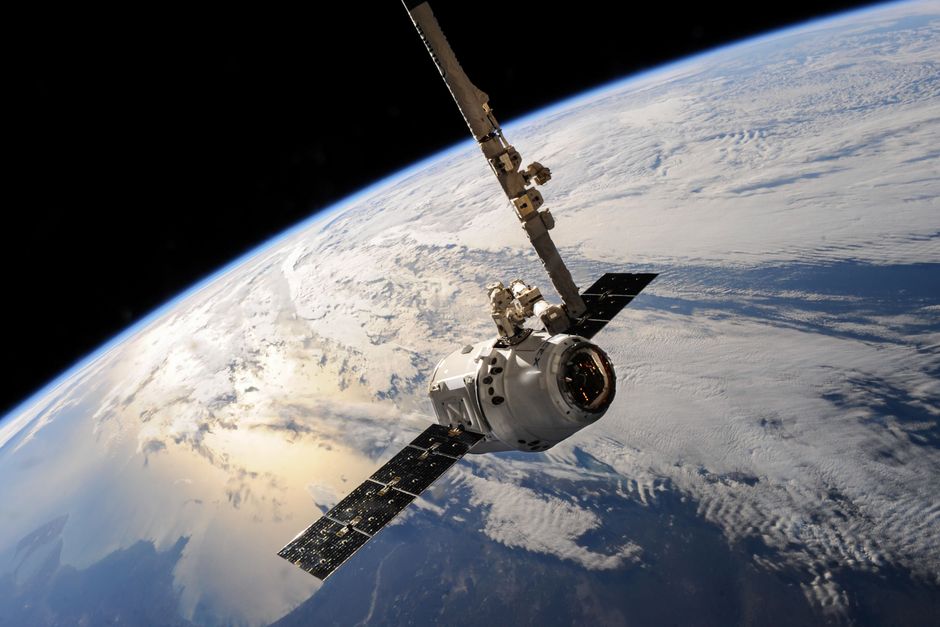
Image: Pexels via Pexels.
The briefing
A spacecraft built to survey dead satellites reached orbit on October 1 aboard SpaceX's Transporter 18 rideshare, kicking off NASA's SSPICY technology demonstration. Starting in early 2027, the Starfish Space Otter vehicle will approach up to four inoperable American satellites in low Earth orbit to inspect them from close range.
Why it matters
Thousands of new satellites launch every year, and dead ones can break apart or collide, feeding the orbital debris problem. Inspecting them first is the hard prerequisite: before anything can be repaired, serviced, or deorbited, engineers need to know how a stranded object is spinning, how its surfaces have aged, and whether it is safe to approach. SSPICY is NASA's first funded commercial debris inspection mission and the first time these autonomous approach technologies fly as one integrated system.
Key details
- The Otter 24C spacecraft will navigate to within hundreds of yards of each target using autonomous guidance and computer vision, with minimal input from ground controllers.
- Each inspection gathers spin rate, orientation, and surface condition data. Electric propulsion moves the spacecraft between targets, and an articulating robotic boom tests precise maneuvering between orbits.
- Otter will not touch or dock with any target. NASA says the mission tests the technologies needed to one day service, repair, or deorbit objects in space.
- A $15 million Phase III award from NASA's Small Business Innovation Research program, issued in 2024, funds the mission through the agency's Small Spacecraft Technology program.
- Starfish Space, founded in 2019 by former Blue Origin engineers Austin Link and Trevor Bennett, built the roughly oven sized spacecraft. Co founder Link called this the moment Otter becomes real, saying the vehicle is built, has a customer, and is going to space.
- The company already holds separate contracts with Intelsat, Space Systems Command, and the Space Development Agency for life extension and disposal work.
Was this helpful?
Reporting from NASA, NASASpaceflight. Full stories at the sources below.
Read at NASA Read at NASASpaceflightGet Briefs by email
One tight email with the week's most important Brief Bytes on UAP and aliens. Read it in five minutes, know what mattered.