NASA and the Energy Department Put the Nuclear NASA Era on Paper
From the CosmechBytes archive. This brief ran before the desk went UAP-only in October 2026, when coverage was broader. It stays up for the record; current briefs live in Brief Bytes.
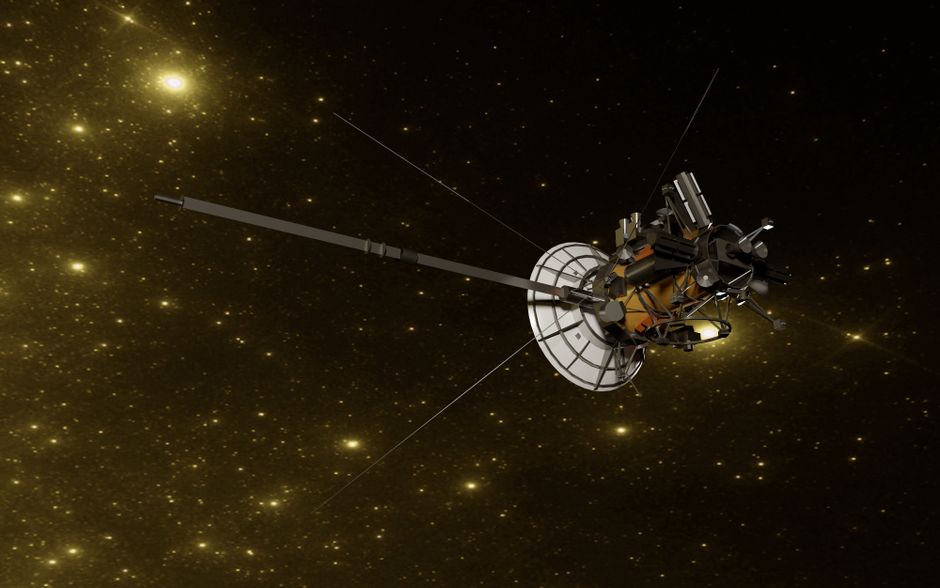
Image: Pexels via Pexels.
The briefing
NASA and the Department of Energy signed a new memorandum on October 8 formalizing end to end cooperation on nuclear power and propulsion for space. The pact spans research, fuel production, testing, launch integration and operations, and it was sealed on stage at the White House's Golden Age Summit. Isaacman called it the start of a Nuclear NASA era, saying nuclear power will let spacecraft go farther, operate longer and carry more capable instruments than ever before.
Why it matters
Solar panels fail in the permanent shadow of the lunar south pole and weaken with distance from the sun, so a sustained Moon base and any serious Mars campaign run on fission or not at all. The United States has flown only one space reactor, SNAP-10A in 1965, while China and Russia plan their own lunar reactor for the mid 2030s. This memorandum is Washington racing to get a reactor on the Moon first, because whoever builds the first one may get to write the rules around it.
Key details
- Signed by NASA administrator Jared Isaacman and Energy Secretary Chris Wright during the Golden Age Summit at the Donald J Trump Institute of Peace in Washington, with OSTP director Michael Kratsios looking on.
- The agreement, titled Accelerating American Leadership in Space Nuclear Power and Propulsion, takes effect November 1 and replaces a previous NASA and DOE memorandum expiring at the end of October.
- It anchors three programs: the Space Reactor-1 Freedom fission powered spacecraft launching toward Mars in 2028, the Lunar Reactor-1 fission surface power system with a launch ready unit due by 2030, and continued DOE supply of radioisotope power for missions including Dragonfly to Titan in 2028.
- The effort answers President Trump's December 2025 executive order Ensuring American Space Superiority, which directs NASA to develop a launch ready lunar surface reactor by 2030. NASA has put the lunar program's cost at roughly $20 billion over seven years.
Was this helpful?
Reporting from Space Connect, Zero Hedge. Full stories at the sources below.
Read at Space Connect Read at Zero HedgeGet Briefs by email
One tight email with the week's most important Brief Bytes on UAP and aliens. Read it in five minutes, know what mattered.