NASA doubles down on Starliner with a new test flight and a new rocket
From the CosmechBytes archive. This brief ran before the desk went UAP-only in October 2026, when coverage was broader. It stays up for the record; current briefs live in Brief Bytes.
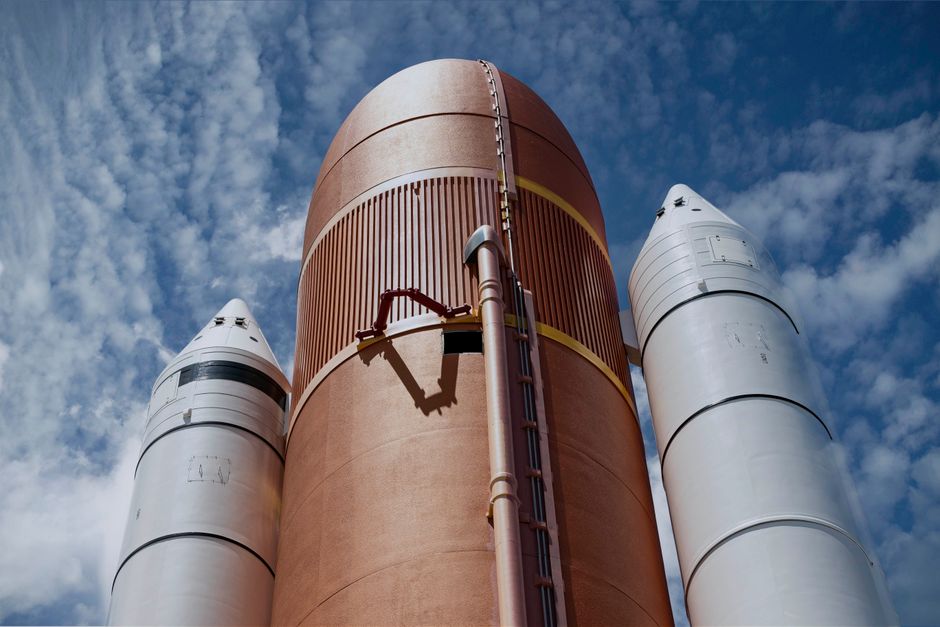
Image: Pexels via Pexels.
The briefing
NASA and Boeing laid out a path back to flight for the troubled Starliner capsule on Monday: an uncrewed Starliner-1 mission to the International Space Station in December 2026 or January 2027, followed by two more crewed missions and a shift to United Launch Alliance's Vulcan rocket after Atlas V retires. NASA administrator Jared Isaacman said the current plan is to fly astronauts again on Starliner-2 by 2028. CNN reports NASA expects to pay an additional $359 million for the upgrades and Vulcan certification.
Why it matters
Starliner has been fighting for its future since the 2024 Crew Flight Test stranded two astronauts in orbit for 286 days. With SpaceX planning to retire Crew Dragon in the 2030s and concentrate on Starship, NASA needs a second American crew vehicle to keep astronauts flying to the station and the commercial stations that follow. Isaacman framed it as the fastest path to preserving reliable crewed access to low Earth orbit, given the taxpayer investment already made.
Key details
- NASA intends to exercise contract options for a fifth and sixth Starliner flight to and from the space station
- An uncrewed Starliner-1 mission to the ISS is planned for December 2026 or January 2027 as an engineering evaluation of the thermal and thruster fixes
- NASA and Boeing will work with United Launch Alliance to certify the Vulcan rocket for crew missions after the Atlas V's final flight
- NASA astronaut Woody Hoburg will command the first crewed return, Starliner-2, targeted for mid 2028
- NASA expects to pay an additional $359 million for the upgrades and Vulcan certification, according to CNN
- The fixes include thermal modifications to the service module, a redesigned thruster valve to address poppet seal extrusion, new crew module thrusters, batteries and parachute changes
- A February investigation into the 2024 flight produced 61 recommendations; the flight was classified a Type A mishap, a designation also given to Columbia and Challenger
- The 2024 Crew Flight Test left astronauts Suni Williams and Butch Wilmore in orbit for 286 days after helium leaks and thruster failures made the capsule unsafe for their return
- Spaceflight Now reports ULA says it is already working toward Starliner-1 and integrating Vulcan for human spaceflight certification
Was this helpful?
Reporting from NASA, CNN, Spaceflight Now. Full stories at the sources below.
Read at NASA Read at CNN Read at Spaceflight NowGet Briefs by email
One tight email with the week's most important Brief Bytes on UAP and aliens. Read it in five minutes, know what mattered.