Milt Windler, the flight director who helped bring Apollo 13 home, dies at 94
From the CosmechBytes archive. This brief ran before the desk went UAP-only in October 2026, when coverage was broader. It stays up for the record; current briefs live in Brief Bytes.
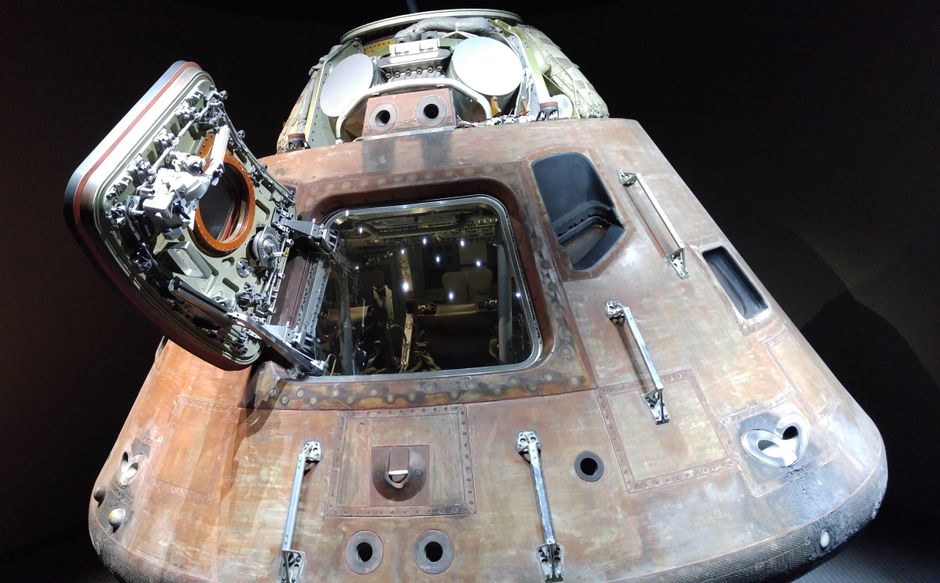
Image: Pexels via Pexels.
The briefing
Milton Windler, one of the four NASA flight directors who led the effort to bring the crippled Apollo 13 spacecraft safely back to Earth in 1970, died on Thursday at age 94, surrounded by his family. Named a flight director in 1968 and known as Maroon Flight, he led controller shifts for Apollo 8, Apollo 10, and the second, third and fourth moon landings, then directed all three crewed Skylab missions.
Why it matters
Windler belonged to the generation that invented mission control discipline from scratch, working shifts where flight directors held absolute authority and decisions carried life or death weight. He and his fellow controllers received the Presidential Medal of Freedom from Richard Nixon in 1970 for the Apollo 13 rescue. His passing marks the further passing of the Apollo era just as human spaceflight shifts toward commercial and increasingly automated operations.
Key details
- Windler was named lead flight director for Apollo 13. When the oxygen tank explosion changed the mission, he and fellow flight director Gerry Griffin polled controllers to develop three options for firing the lunar module engine to put the spacecraft on a path back to Earth.
- He was at the console for the trans lunar injection burn that sent Apollo 8, with Frank Borman, Bill Anders and Jim Lovell aboard, beyond Earth orbit for the first time.
- As the seventh person named to the flight director role, and one of the first two selected from outside flight operations, he chose the team name Maroon Flight.
- On Skylab he helped invent real time flight planning, letting science teams replan each day to chase solar events with the Apollo Telescope Mount.
- After Skylab he worked on the shuttle program and the Canadarm remote manipulator, then retired from NASA to consult on operations for what became the International Space Station.
- Born Jan. 10, 1932 in Hampton, Virginia, he graduated from Virginia Tech in 1954 with a degree in aeronautical engineering and was survived by his wife Betty, three children and eight grandchildren. A memorial service is planned in Friendswood, Texas.
Was this helpful?
Reporting from Ars Technica, collectSPACE. Full stories at the sources below.
Read at Ars Technica Read at collectSPACEGet Briefs by email
One tight email with the week's most important Brief Bytes on UAP and aliens. Read it in five minutes, know what mattered.