Japan MMX Mission Is Days From Launch Toward the Moons of Mars
From the CosmechBytes archive. This brief ran before the desk went UAP-only in October 2026, when coverage was broader. It stays up for the record; current briefs live in Brief Bytes.
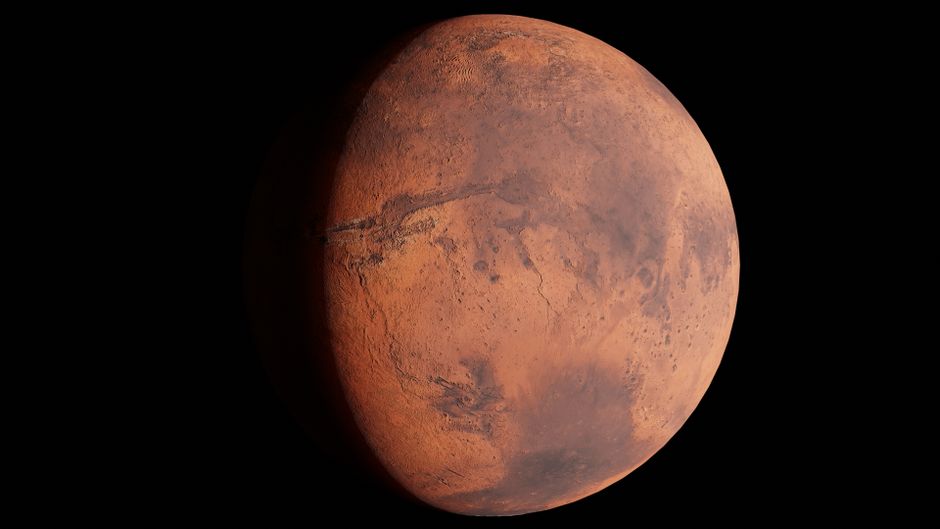
Image: Pexels via Pexels.
The briefing
The Martian Moons eXploration spacecraft, built and led by Japan space agency JAXA, is targeting launch from Tanegashima Space Center on October 19 Eastern time, October 20 in Japan. Its job is to settle where Mars moons Phobos and Deimos came from and to bring a sample of Phobos home, something no mission has ever done from the Mars system.
Why it matters
Two explanations for the moons have stood unresolved for generations. They may be asteroids captured long ago, or debris thrown into orbit when something large struck Mars. A returned sample answers that in a laboratory, and because Phobos surface material is thought to include grains blasted off Mars itself, the capsule may deliver the first physical pieces of Mars ever studied on Earth, years before any Mars surface sample mission flies.
Key details
- NASA announced its supporting role on October 15. Its contributions include the MEGANE gamma ray and neutron spectrograph, a pneumatic sampler technology demonstration, Deep Space Network communications and navigation support, and funded United States scientists on the mission team.
- MEGANE will read the elemental makeup of Phobos from orbit by measuring gamma rays and neutrons coming off its surface, giving the returned sample a composition map to be judged against, according to NASA.
- The spacecraft reaches Mars in August 2027, surveys both moons, and collects its Phobos sample no earlier than December 2028, with delivery to Earth in 2031, NASA said.
- NASA will receive and curate about 15 percent of the returned sample at Johnson Space Center, where it stays available to researchers for decades.
- TechTimes reported the launch window runs through November 7 and that mission planning calls for at least 10 grams of Phobos regolith to come home to Australia in July 2031.
- Program scientist Tom Statler framed the stakes around the early solar system, saying the answer helps show how Earth and the inner planets gathered much of their water and organic compounds, according to NASA.
Was this helpful?
Get Briefs by email
One tight email with the week's most important Brief Bytes on UAP and aliens. Read it in five minutes, know what mattered.