Google puts its first AI chip in orbit and prices out 1,800 Starship launches for space data centers
From the CosmechBytes archive. This brief ran before the desk went UAP-only in October 2026, when coverage was broader. It stays up for the record; current briefs live in Brief Bytes.
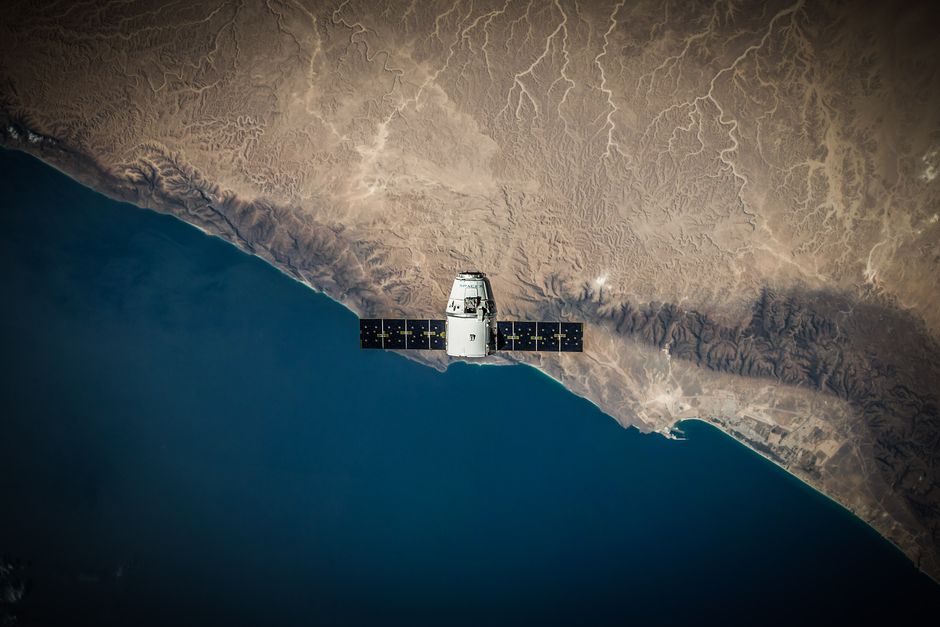
Image: Pexels via Pexels.
The briefing
Google launched a refrigerator sized prototype satellite on October 1 carrying four of its machine learning chips, the first step in a moonshot plan to run AI workloads from orbit. The same week, a Google paper laid out the brutal economics: launch prices have to fall about 20 percent a year, which requires Starship to fly roughly 1,800 missions over a decade. A company that put up more than five Starship flights in a year has never managed even that many.
Why it matters
Data centers are running into land, power, and political resistance on the ground, and Google is the first cloud giant to start testing whether orbit is a real alternative. The vision is elegant, which is that the sun delivers power for free and space has no neighbors to complain. The math is not elegant yet. Until launch costs collapse, this remains an expensive experiment, not an industry.
Key details
- The prototype satellite, built with Planet Labs and lofted by a SpaceX rocket from California, will run Google's Gemma model in 15 minute bursts, switching off so the chips do not overheat, and is meant to operate for a year
- Project Suncatcher is led by Google senior director Travis Beals, who said the test will show how the chips handle radiation and thermal extremes in space, and called the economics the real question
- Google's peer reviewed paper, slated for the journal Joule, assumes a 20 percent yearly decline in SpaceX launch prices, reaching about $200 per kilogram by 2035, but only after Starship flies 370,000 tons of payload
- Starship has never flown more than five times in a year, and Beals conceded he does not see orbit becoming cheaper than Earth in the next five years
- Two more purpose built satellites are planned for next year to test laser links between spacecraft, a step toward the clusters of dozens of chip carrying satellites Google envisions
Was this helpful?
Reporting from TechCrunch, NPR, MarketWatch. Full stories at the sources below.
Read at TechCrunch Read at NPR Read at MarketWatchGet Briefs by email
One tight email with the week's most important Brief Bytes on UAP and aliens. Read it in five minutes, know what mattered.