F-35C Makes Its First Arrested Landing Aboard a Ford Class Carrier
From the CosmechBytes archive. This brief ran before the desk went UAP-only in October 2026, when coverage was broader. It stays up for the record; current briefs live in Brief Bytes.
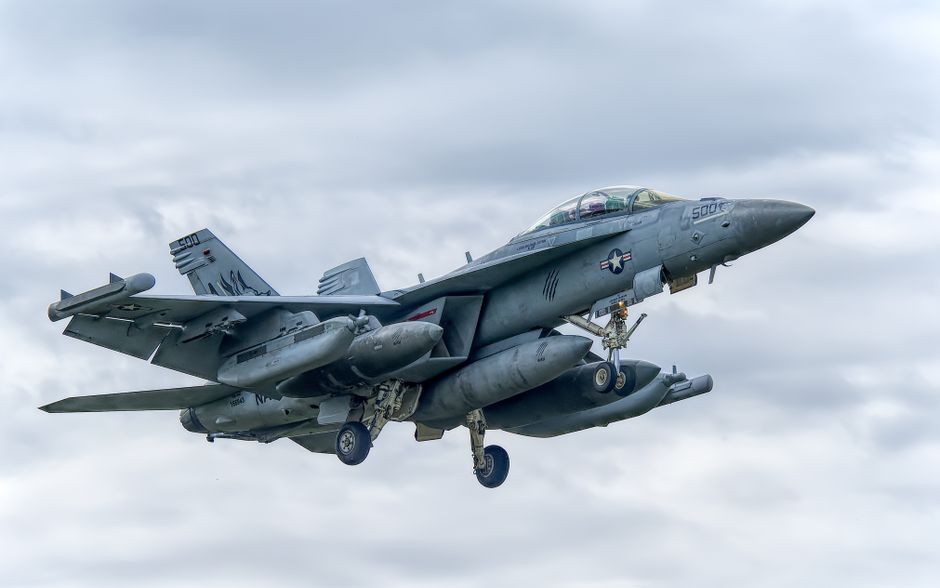
Image: Pexels via Pexels.
The briefing
An F-35C test jet trapped aboard the future USS John F. Kennedy in the Western Atlantic on October 13, the first arrested landing of the type on any Ford class carrier. Test pilots from Air Test and Evaluation Squadron 23 flew the specially instrumented jet as part of an Aircraft Compatibility Testing campaign that checks how the ship handles the stealth fighter it was specifically rebuilt to carry.
Why it matters
The Ford class was designed around the F-35C, yet the lead ship entered service unable to operate it, a failure Congress answered by ordering Kennedy to receive its F-35C modifications during construction. This landing is the first physical proof that the fix works. It also lands while China demonstrates electromagnetic catapult operations with its own stealth fighter aboard Fujian, which sharpens the question of how fast the Navy can turn its newest carriers into fifth generation platforms.
Key details
- Two F-35C test pilots flew to the carrier for the testing, with a Patuxent River based F-35 Integrated Test Force team detached aboard the ship, according to TWZ. Navy imagery shows one jet making the landing while a second carried inert JDAM bombs on external pylons.
- The Navy took preliminary acceptance of Kennedy on September 29 after acceptance trials in August, which lets the crew test at sea while the builder finishes remaining work, TWZ reported. The Aviationist reported the ship is scheduled for delivery in March 2027.
- Congress required Kennedy to be able to field the F-35C and the Enterprise Air Surveillance Radar before finishing its post shakedown period, because lawmakers objected that the lead ship Ford could not operate the newest fighters, according to USNI News. Ford and the Nimitz class ships will receive the capability through later backfits.
- Ford completed its own compatibility testing in January 2020 after launching and recovering 211 aircraft of five types, and the F-35C was not among them, according to TWZ and The Aviationist.
- Operating the F-35C takes more than a working arresting wire. TWZ noted the class needs stronger jet blast deflectors for the jet exhaust, secure spaces for its classified systems and low observable coatings, and networks that tie its maintenance data into ship systems.
- Kennedy also differs from Ford in sensors, swapping the earlier radar pairing for the SPY 6 radar family, according to The Aviationist. USNI News reported that the test squadron also launched an F-35C from the carrier for the first time, while TWZ framed catapult launch work as still ahead, so the recovery is the milestone both accounts confirm.
Was this helpful?
Reporting from TWZ, USNI News, The Aviationist. Full stories at the sources below.
Read at TWZ Read at USNI News Read at The AviationistGet Briefs by email
One tight email with the week's most important Brief Bytes on UAP and aliens. Read it in five minutes, know what mattered.